Capital Maintenance Planning
What Is Capital Maintenance Planning?
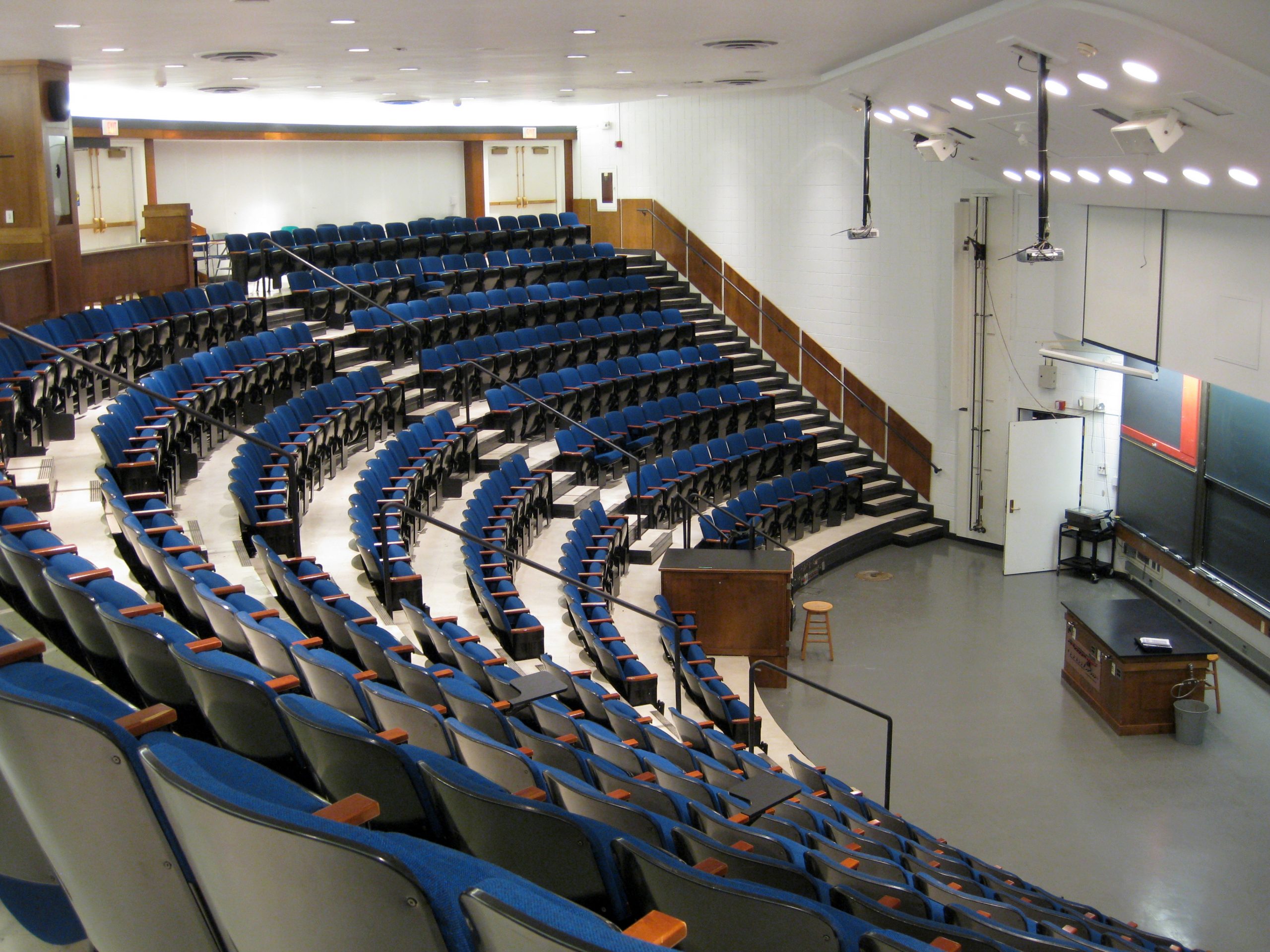
The Capital Maintenance Planning team fulfills many roles within the university, but the main functions are planning for capital maintenance, planning for addressing deferred maintenance, and classroom maintenance for the 300+ general assignment classrooms. While capital maintenance planning is the proactive effort to forecast major infrastructure needs, deferred maintenance represents the reactive backlog and postponement of building and equipment maintenance and upgrades from an entity’s normal operating budget cycle due to a lack of funds. Lack of comprehensive funding for routine maintenance and repair and regular replacement tasks can cause neglect, allowing minor repair work to evolve into more serious conditions. The inability to perform major repairs and/or renew building components that have reached the end of their useful lives results in a maintenance backlog.
Capital maintenance planning is the proactive, forward-looking strategy used to forecast and fund predictable major infrastructure renewals, whereas deferred maintenance represents the reactive backlog of overdue, unfunded repairs that were postponed from past budget cycles.
Capital Maintenance Planning
- Proactive Strategy: Focuses on the multi-year forecasting (typically 5 to 10 years out) of major building system replacements like roofs, chillers, and electrical panels before they fail.
- Lifecycle Management: Aligns reinvestment schedules with institutional strategic priorities, utilizing standards like the Association of Physical Plant Administrators (APPA) metrics to budget predictable capital renewal. [1, 2]
- Budget Integration: Seeks dedicated capital allocations, state funds, or bond proceeds systematically to keep operating buildings functioning at peak efficiency.
Deferred Maintenance
- Backlog of Need: Consists of preventive, predictive, or corrective maintenance tasks that should have been completed on schedule but were delayed due to funding shortages.
- Compounding Risk: Results in degrading campus infrastructure, leading to higher emergency repair costs, safety hazards, and regulatory compliance issues if left unaddressed.
- Financial Strain: Creates an immense, quantified deficit (often measured via a Facility Condition Index) that universities must chip away at using special repair and renovation funds.
Why Is Capital Maintenance Planning Important?
Properly maintained campus facilities reflect the pride of the institution. As a world-class institution, the university must address basic facility needs in an energy efficient and fiscally responsible manner to continue attracting the very best faculty, students, and staff and supporting their pursuit of academic and research excellence.
What Are We Doing to Address Deferred Maintenance?
The Academic Facilities Maintenance Fund Assessment (AFMFA), student-fee contributions, is the primary, consistent funding source for deferred maintenance projects on the Urbana campus. AFMFA project selections are made every two years with the goal of having a noticeable impact on teaching and learning environments and demonstrating a significant benefit to many students. AFMFA selection priorities include:
- Improving life safety deficiencies – highest priority
- Making a positive impact on heavily scheduled/utilized buildings
- Complementing programmatic projects
- Supporting emerging teaching and learning methodologies
- Resulting in economies of scale
- Making a pronounced impact on energy conservation
- Addressing complaints and/or high operation and maintenance costs
- Having high campus visibility
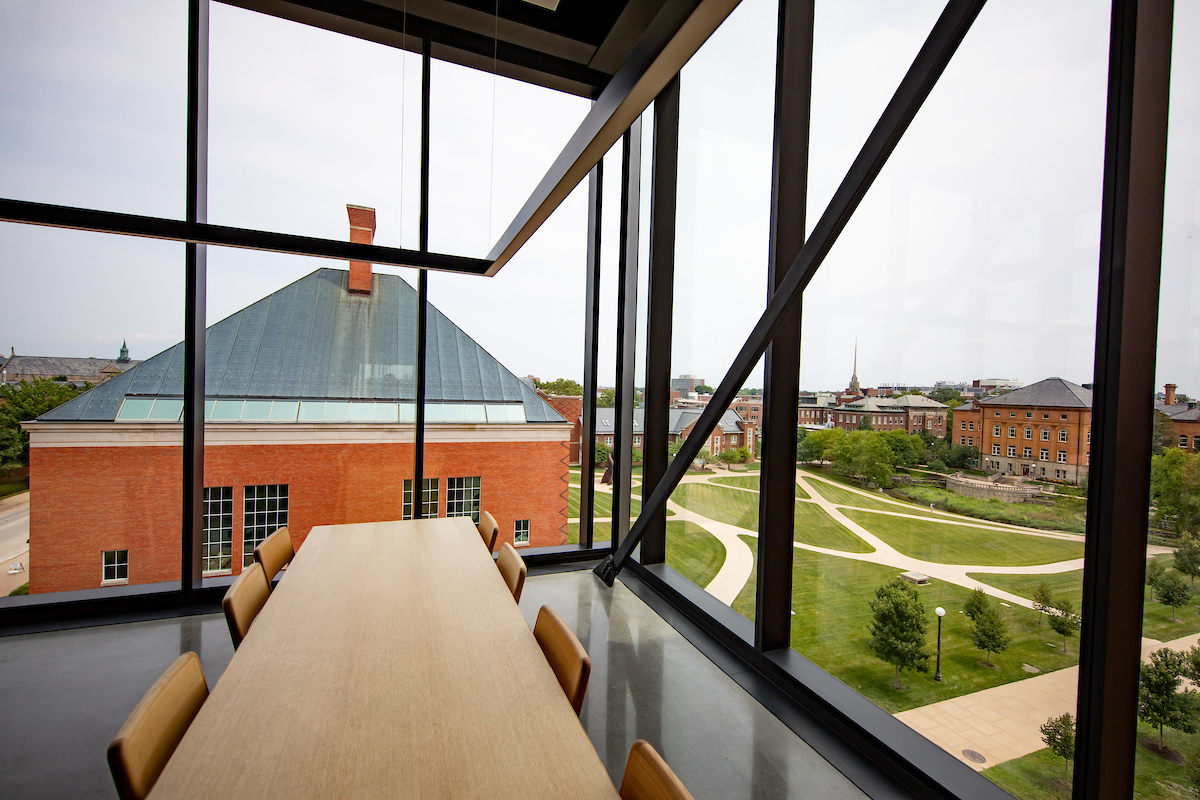
The deferred maintenance program at F&S reflects an estimated backlog of over $795 Million for state-funded academic buildings. This estimate does not include buildings under 10,000 square feet and buildings which lack heating and cooling systems.
The F&S Asset Management Plan proposed a comprehensive five-year approach for capital projects, deferred maintenance, and extensive equipment repair and replacement to care for the 23 million gross square feet of state-supported building space. The Capital Maintenance Planning program systematically addresses these needs, including improved electrical and plumbing systems, ventilation, building envelopes, and interior finishes. Energy conservation projects are also undertaken to reduce energy costs and promote sustainability.


Links

Documents
Related Providers

Providers
Planning, Design & Construction 
Planning, Design & Construction directs capital projects with more than a $250,000 total project budget at the University of Illinois.